
Windrush
Working for justice. Honouring legacy. Supporting our community.
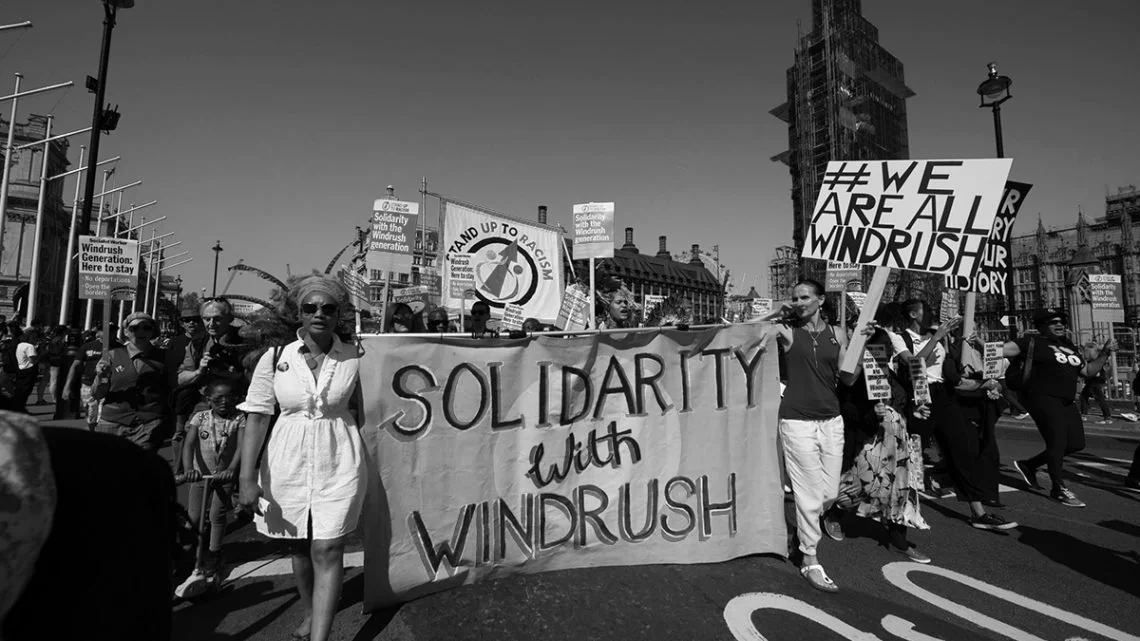
Pilgrim Church stands with the Windrush Generation, recognising their contribution, advocating for justice, and providing practical support to those affected by the Windrush scandal.
Get Support.
The Nottingham Windrush Support Forum is based at Pilgrim Church.
We provide advocacy and signposting support for those wanting to understand the Windrush Status and Compensation Schemes.
The forum is led by Rev. Mark Stewart and Rev. Clive Foster MBE, who serves as a Windrush Commissioner, working to ensure justice, reform and accountability at national level.
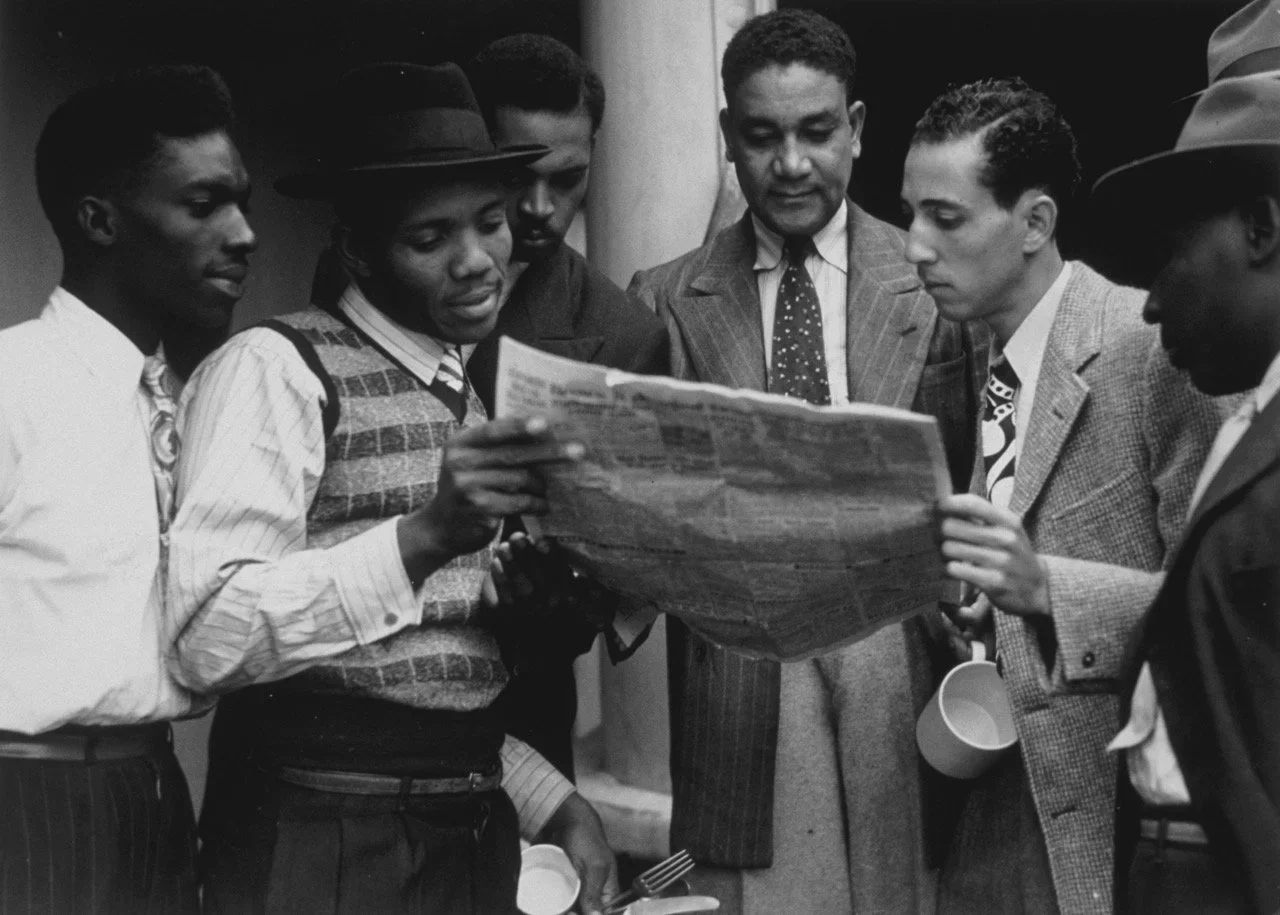
The term “Windrush Generation” often refers to people from the Caribbean who arrived in the UK between 1948 and the early 1970s — though there is no single definition.
It includes earlier arrivals and their descendants, and the scandal affected Commonwealth citizens from across the Caribbean, South Asia, Africa and beyond.
Who are the Windrush Generation?
-
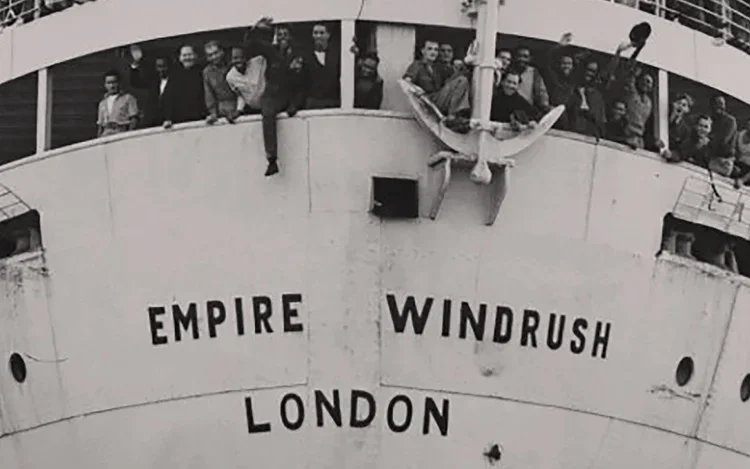
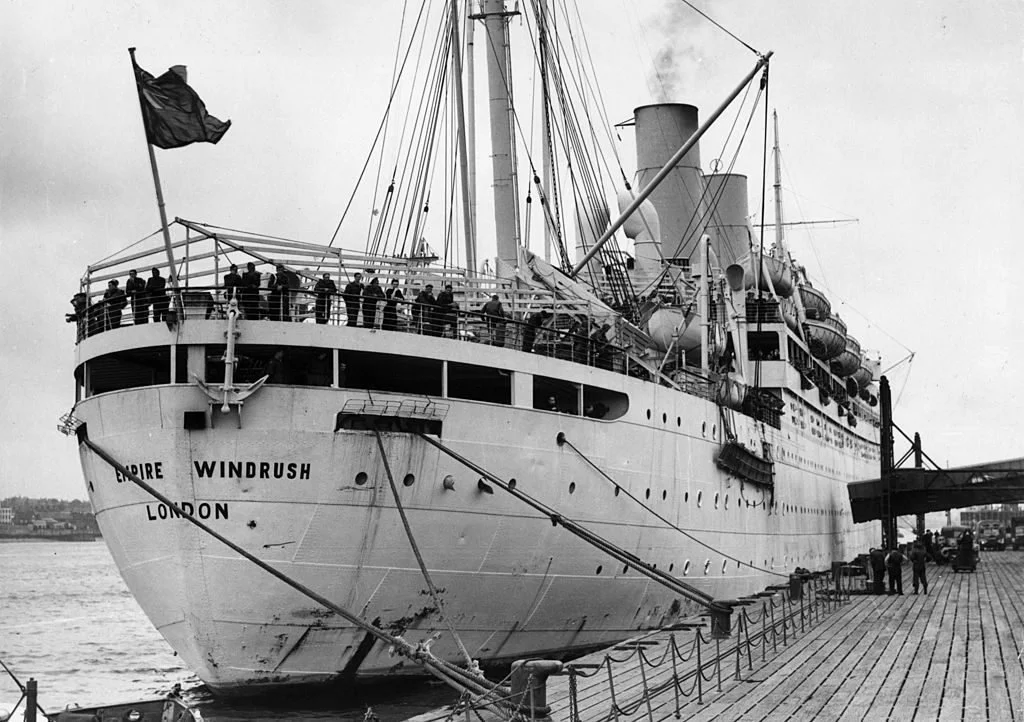
The name comes from the ship Empire Windrush, which arrived at Tilbury Docks in June 1948 carrying passengers from the Caribbean who came to help rebuild Britain after the Second World War.
Many were invited to fill labour shortages in the NHS, transport services, manufacturing, and public services. They arrived legally, answered Britain’s call, and made invaluable contributions to the nation’s recovery and growth.
Over time, the term “Windrush Generation” has come to represent not just those who arrived on that ship, but thousands of Commonwealth citizens who migrated to the UK between 1948 and the early 1970s — as well as their children and grandchildren.
Importantly, the impact of the scandal extended beyond Caribbean communities. It affected Commonwealth citizens from South Asia, Africa and other regions who had every legal right to live in the UK.
WHAT WAS THE WINDRUSH SCANDAL?
Imagine living in Britain for decades, then being told you don’t belong.
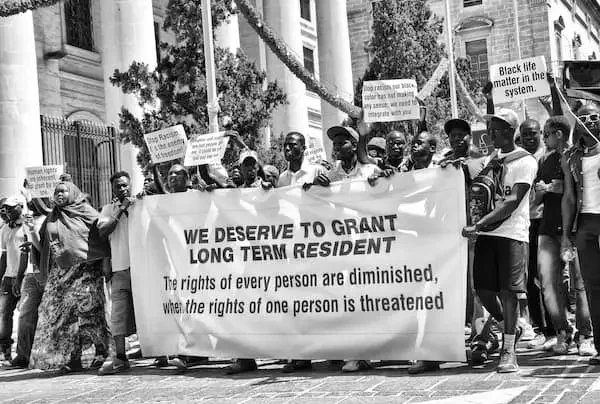
The Windrush Scandal occurred when thousands of people who had legally settled in the UK were wrongly classified as illegal immigrants due to hostile immigration policies and missing documentation.
Jobs lost. Homes gone. Families separated. Some were detained or deported.
-
In 2012, the UK Government introduced immigration measures often referred to as the “Hostile Environment Policy,” requiring individuals to prove their legal right to remain in the country.
Many members of the Windrush Generation had arrived as children and were named on their parents’ passports without receiving formal documentation in their own name.
Decades later, stricter checks meant some could not provide the required paperwork. Thousands were wrongly classified as illegal immigrants.
The consequences were devastating: loss of employment, housing insecurity, denial of healthcare, detention and deportation.The scandal came to national attention in 2017, leading to public outcry and the creation of the Windrush Compensation Scheme.
CONTRIBUTION & LEGACY
They built Britain.
• Helped establish the NHS
• Served in the armed forces
• Worked in public services
• Strengthened communities
• Shaped British culture
We owe them more than words. We owe them justice.
-
The Windrush Generation and wider Commonwealth communities gave Britain their best.
They worked as nurses, bus drivers, engineers, teachers, cleaners, soldiers and faith leaders. They built families, churches and neighbourhoods that strengthened British society.
Many veterans have attended listening events proudly wearing medals earned in service to the nation, yet still waiting for justice.
Their legacy is woven into the fabric of modern Britain.
WINDRUSH COMPENSATION SCHEME
The Windrush Compensation Scheme addresses losses caused by the inability to prove legal status.
It covers:
• Financial losses - income, employment, housing
• Non-financial losses - distress and impact on wellbeing
It does not cover experiences of racism not directly linked to proving status
-
The scheme compensates individuals for losses directly resulting from being unable to prove lawful status.
Financial losses may include lost earnings, denial of work, homelessness and related living costs.
Non-financial losses recognise emotional distress, disruption to family life and long-term wellbeing impact.
Through continued advocacy, including the involvement of Rev. Clive Foster MBE in his role as Windrush Commissioner, reforms have been introduced to improve fairness and accessibility within the scheme.

LEADERSHIP & NATIONAL ENGAGEMENT
Pilgrim Church is engaged locally and nationally in the pursuit of justice.
Rev. Clive Foster MBE serves as a Windrush Commissioner, contributing to oversight, reform and public accountability regarding the Windrush Compensation and Status Schemes.
This role reflects the trust placed in community leadership and strengthens Pilgrim Church’s commitment to ensuring justice is delivered effectively and compassionately.
Through listening events, advocacy and dialogue with national institutions, the church continues to help shape progress while supporting individuals directly.
THE NEXT GENERATION
Younger generations have a vital role to play.
Encourage family members to apply
Share stories
Check eligibility
-
Some younger people may also be entitled to compensation, particularly where family circumstances disrupted education or stability.
If your legal status was impacted due to a parent’s situation, you may need to apply for status as well.
Beyond eligibility, younger generations play an essential role in keeping awareness alive and ensuring no one is left behind.
HOW YOU CAN HELP?
Community awareness matters.
• Share information
• Stay engaged
• Support advocacy
• Encourage others to check eligibility
-
There are still people in the UK and overseas who are entitled to status and compensation but remain unaware.
Some are hesitant. Some do not know where to turn.
By sharing accurate information and encouraging dialogue within communities, we ensure justice reaches everyone affected.